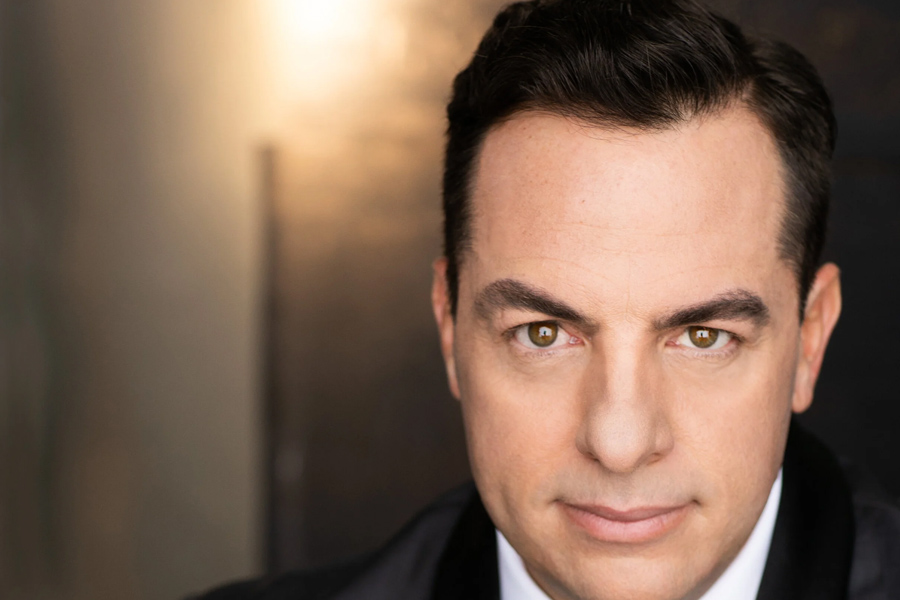
Basic Background
Michael Francis Sinatra occupies a peculiar place in American entertainment history. He is widely described as the son of Frank Sinatra Jr. and the grandson of Frank Sinatra. That lineage alone gives his name a resonant gravitas. It also places him inside a family narrative that remains unusually visible decades after its first triumphs. Public profiles often place his reported birthdate on March 1, 1987. That date situates him in a later generation, far from the midcentury apex of the Sinatra dynasty.
The family name carries musical prestige, but it also carries scrutiny. Every public mention of Michael tends to invoke ancestry, performance, and inherited expectation. That is unsurprising. The Sinatra family has long occupied a rare zone where artistry, celebrity, and private life intersect. Michael’s identity is therefore shaped by both personal endeavor and public inheritance. He is not simply a surname attached to fame. He is also a contemporary figure moving through that legacy.
The Sinatra Family Structure
A clear view of Michael’s place in the family helps explain why interest persists. The Sinatra lineage forms a compact and storied branch of American popular culture. It reaches from the golden age of crooning into the digital era. The family tree is not merely genealogical. It is symbolic, cultural, and highly legible to the public.
| Person | Relationship to Michael | Key Dates |
|---|---|---|
| Frank Sinatra | Grandfather | 1915 to 1998 |
| Frank Sinatra Jr. | Father | 1944 to 2016 |
| Patricia Ward | Reported mother | Not publicly fixed |
| Nancy Sinatra | Aunt | Born 1940 |
| Tina Sinatra | Aunt | Born 1948 |
Frank Sinatra remains one of the most recognizable entertainers in American history. Frank Sinatra Jr. built his own career as a singer and conductor. Nancy Sinatra and Tina Sinatra also established public identities of their own. Within that structure, Michael appears as a younger inheritor of a widely circulated name. His presence extends the family narrative into a new generation. That continuity matters to readers who follow entertainment lineages closely.
A Public Persona Built Around Performance
Michael Francis Sinatra is commonly described in public listings as a performer, actor, or tribute singer. Those labels suggest a career shaped by music and stage presence. They also imply a life lived within the orbit of inherited tradition. In entertainment culture, family names can function as both invitation and burden. Michael’s public image seems to reflect both conditions.
Performing under a famous name can create immediate recognition. It can also produce relentless comparison. For Michael, the association with Sinatra standards likely frames audience expectations before he even appears. A tribute-oriented career often depends on precision, restraint, and reverence. It rewards vocal phrasing, period style, and familiarity with classic repertoire. That kind of work can feel archival, but it also requires real discipline. Audiences do not attend for novelty alone. They attend for continuity, competence, and the restoration of a musical mood.
His public persona, as described in entertainment contexts, appears to straddle music and occasional screen work. That mix is not unusual for entertainers with flexible portfolios. It allows visibility across different venues and formats. It also mirrors the broader shape of modern performance careers. Today, an artist may appear in clubs, streaming listings, small productions, and social media posts. The result is a diffuse but persistent public footprint.
The Weight of Inheritance
Famous families often generate more commentary than clarity. The Sinatra family is no exception. Reports about wealth, inheritance, and estate values have circulated for years. Popular discussion has often placed Frank Sinatra Jr.’s estate near 50 million dollars. Yet such figures remain approximations, not clean legal certainties. Estate talk tends to mutate quickly once it enters public conversation.
That uncertainty is part of the inheritance story itself. When a family is this famous, money becomes narrative material. People repeat numbers because the numbers help the story feel concrete. They also invite speculation about distribution, entitlement, and family claims. In that environment, Michael’s name becomes attached to questions larger than biography. It becomes entangled with probate intrigue, public curiosity, and the mythology of celebrity succession.
A simple summary of the public conversation looks like this:
| Topic | Public Character |
|---|---|
| Estate value | Frequently estimated, rarely fixed in public discourse |
| Heirship | Discussed widely, often speculatively |
| Family claims | Reported in fragments and competing accounts |
| Legal clarity | Not always visible in public discussion |
These topics reveal more about celebrity culture than about any one person. People often treat inheritance as a moral drama. They search for winners, exclusions, and hidden arrangements. The Sinatra name magnifies that impulse. Michael, as a descendant, sits inside those projections whether he invited them or not.
Public Claims and Contested Narratives
Every high profile family develops competing versions of itself. The Sinatra family has accumulated its share of disputed claims and noisy commentary. Public reporting has occasionally included references to additional individuals asserting familial connection or recognition. Such matters quickly become combustible. They are easy to narrate and difficult to verify.
This is where celebrity history becomes especially unstable. One account may emphasize legitimacy. Another may stress rumor. A third may focus on legal boundaries. The public rarely receives a perfectly resolved picture. Instead, it gets overlapping fragments. That fragmentary quality gives the story its peculiar energy. It also means readers must distinguish between documented fact and theatrical repetition.
Michael’s place in that environment is notable because his identity remains tethered to an established line of descent. The reports around him are less about mystery than about extension. He is framed as part of the family’s continuing story, not as an outsider looking in. Even so, the surrounding noise can blur the edges of his public life. That is a familiar hazard for anyone born into a dynasty with an enduring brand.
Where He Appears Today
In contemporary media, Michael Francis Sinatra appears in performer pages, entertainment listings, and digital references tied to the Sinatra name. Those appearances suggest continuity rather than obscurity. They imply a working identity built around public-facing performance. They also reflect how modern entertainers survive by layering visibility across platforms.
A present-day musician or actor rarely relies on one arena alone. Club bookings, streaming mentions, social accounts, and legacy associations all matter. Michael seems to inhabit that kind of distributed profile. The public sees enough to register his presence, yet not enough to flatten him into a single role. That partial visibility is characteristic of many working performers. It is especially common for those linked to historical celebrity families.
There is also a symbolic dimension to his presence. To fans of the Sinatra tradition, Michael suggests a living continuation of a familiar tonal world. He evokes standards, stagecraft, and a lineage of polished performance. That connection is powerful because it links past and present without requiring complete reinvention. The family name still carries tonal authority. In some sense, it remains a passport into an older aesthetic.
Why the Name Still Matters
The Sinatra name has not dulled with time. It still evokes style, control, and American performance history. That is why Michael Francis Sinatra draws attention even when details about his life remain limited. The name itself creates narrative density. It summons memories of radio, records, Vegas, film, and carefully calibrated charisma.
For many readers, Michael matters because he keeps that lineage legible. He is a younger presence inside a family that shaped popular music for generations. That role can be subtle, but it is culturally real. The public does not need a blockbuster career to recognize the significance of continuity. Sometimes a name itself carries historical momentum. Michael’s name certainly does.
The appeal also lies in contrast. Frank Sinatra belonged to a midcentury performance ecosystem built on broadcast dominance and live spectacle. Michael belongs to a world of digital circulation, niche performance circuits, and mediated nostalgia. Those worlds differ sharply. Yet the family connection makes them feel adjacent. That adjacency gives his public identity an unusual texture.
Key Takeaways
Michael Francis Sinatra is widely identified as the son of Frank Sinatra Jr. and the grandson of Frank Sinatra. His reported birthdate is March 1, 1987, placing him in a younger generation of the family. Public listings describe him as a performer and actor, with appearances tied to tribute work and entertainment venues. The Sinatra family context gives his identity exceptional visibility, while also inviting speculation about inheritance and legacy. Public discussion around him often reflects the larger mythology of celebrity families, where fact, memory, and rumor frequently coexist.


